Florida Condo Buyers: Property Taxes, Homestead and Escrow
A condo purchase comes with several layers of cost beyond the asking price. Reviewing taxes, insurance, association charges and escrow together can help you ask better questions before closing. Start with figures that reflect your intended ownership and use.
The Quick Answer
Before financing a Florida condo, obtain a buyer-specific property-tax estimate and confirm how you intend to use the unit. The seller’s tax bill may reflect exemptions and assessment history that do not become yours. Amendment 3 does not remove that need, and a homestead exemption does not establish whether a condominium project qualifies for a particular mortgage.
Why the seller’s bill can mislead a buyer
The Florida Department of Revenue’s homebuyer guide explains that a change of ownership can lead to reassessment for the following tax year. The seller’s benefits may still affect the bill for the purchase year. That can create a gap between the bill a buyer first sees and later ownership costs.
Ask the county property appraiser for a parcel-specific estimate based on the purchase and intended use. Confirm which year the estimate describes, what exemption assumptions it includes, and whether separate assessments are shown. A closing estimate or tax proration does not by itself establish the final bill for a later year.
Will this condo be your homestead or an investment?
Permanent-residence eligibility is different from simply owning a Florida property. A qualifying owner-occupied condo may be eligible for homestead benefits. A vacation unit or a non-owner-occupied rental generally is not the owner’s homestead. Special household or ownership circumstances need county review.
Intended occupancy also matters in financing. Mike’s DSCR loan information describes business-purpose financing for non-owner-occupied, income-producing property. Do not use a rental-loan description for a condo you intend to occupy or change the stated use to obtain a tax or lending benefit. Mike can review appropriate financing options for the intended use.
Which Amendment 3 exemption schedule might apply?
The DOR implementation bulletin confirms the 2027 start and the increased non-school exemption schedule for qualifying homesteads covered by it. The amendment provides up to $150,000 in 2027 and up to $250,000 in 2028 for that schedule; the school exemption remains separate.
People who had not maintained permanent Florida residence as of December 31, 2026 generally begin with the smaller non-school exemption upon qualifying and become eligible for the increased exemption beginning with their fifth exemption year. Ask the county how your residence history, purchase date and first exemption year fit the rule. A closing date alone does not answer the question.
Separate taxes from the other condo costs
Budget item | What to obtain | What not to assume |
|---|---|---|
Property taxes | Buyer-specific county estimate and stated exemption assumptions | That the seller’s bill predicts your later bill |
Insurance | Relevant unit and association insurance information | That every insurance cost is included in dues or escrow |
Association dues | Current dues and budget information | That a tax exemption reduces association charges |
Special assessments | Written information about known assessments and payment terms | That the standard monthly dues show every obligation |
Mortgage escrow | Loan estimate or servicer explanation of tax and insurance collections | That every condo expense is collected through escrow |
Mike’s Florida condo financing guide addresses project and program questions. A unit’s homestead status and the building’s lending eligibility are separate reviews. If you are comparing the use of equity in another property, review the Equity Advantage planning page as a separate financing decision with its own costs and requirements.
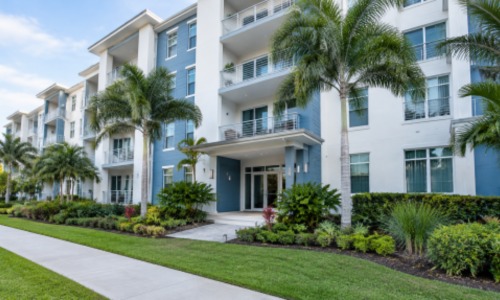
A condo buyer’s budget should account for taxes, insurance, association dues and known special assessments.
Ask about the first escrow review before closing
Request an explanation of which tax estimate and insurance figures support the projected escrow payment. Ask what could change when the first post-purchase assessment and actual bills arrive. Keep your tax notices, insurance documents and mortgage statements together so differences can be reviewed.
Once you own the property, keep paying the amount your servicer requires. The CFPB’s mortgage-payment guidance explains how tax and insurance changes can affect escrow. An expected exemption does not authorize a borrower to lower the amount paid without the servicer’s confirmation.
Common condo buyer questions
Can a condo qualify for homestead?
Condominium ownership does not by itself prevent qualification, but the applicable ownership, permanent-residence and filing requirements still apply. The county property appraiser makes the eligibility determination.
Does the exemption reduce HOA dues or special assessments?
No. Property-tax exemptions do not reduce association charges. Review dues and known special assessments as separate obligations in the ownership budget.
What if I plan to rent the unit?
Tell Mike the intended use and obtain the applicable tax estimate. Our rental-property assessment cap and DSCR guide explains why a non-homestead assessment limitation is different from a homestead exemption.
Does a low tax bill make a condo easy to finance?
No. The borrower, unit, project, insurance and chosen program still require review. Do not treat a favorable tax estimate as a lending decision.
For a broader overview, read Mike & Mike’s Florida homestead exemption and Amendment 3 guide. It covers eligibility, key dates, primary-residence and rental-property distinctions, and mortgage-escrow considerations. Confirm property-specific tax questions with your county property appraiser and a qualified tax professional.
Bring Mike the property and the numbers
Call Mike Dunlap at 321-624-3746 or send Mike your scenario. Bring the property address, intended occupancy, proposed financing, tax estimate, insurance information and association costs. Mike & Mike Mortgage Team can help you review financing choices alongside the actual housing budget. The county property appraiser determines exemption eligibility; your servicer administers mortgage escrow.
Reviewed November 14, 2026. For the amendment’s broader timeline, see our Florida Amendment 3 mortgage and property-tax guide. This article focuses on the condo buyer’s budget before and after closing.
Official sources
Mike & Mike Mortgage Team, Powered by Certified Mortgage Planners. Mike Dunlap, Senior Mortgage Loan Originator, NMLS #1305423. Certified Mortgage Planners, NMLS #210950. 615 Crescent Executive Ct, Ste 224, Lake Mary, FL 32746. Licensed in Florida. Equal Housing Opportunity Lender.
The rates, loan programs, fees, options and guidelines in any loan scenario shown are for illustrative purposes only, are subject to change without notice, are subject to restrictions, will not apply to all borrowers or situations, and do not represent a commitment to lend. Contact a Mortgage Loan Originator for details. Certified Mortgage Planners operates only in states where it is authorized to conduct business. All loans are subject to underwriting review and approval. Not all applicants or properties will qualify. DSCR business-purpose loans discussed here are for the acquisition or refinancing of non-owner-occupied, income-producing real property and are not intended for personal, family or household purposes.
General educational information, not individualized tax, legal or financial advice. Confirm property-specific assessment and exemption questions with the county property appraiser and consult a qualified tax professional before relying on anticipated savings.
Company disclosures | Privacy policy | Terms of use | NMLS Consumer Access
Made by AgencyAILab.com